By Katherine Clarke (Community Outreach Coordinator, DetoxRehabs.net)
Heroin is a highly addictive and illicit street drug derived from the opium poppy plant. People who abuse heroin are at increased risk for a life-threatening heroin overdose.
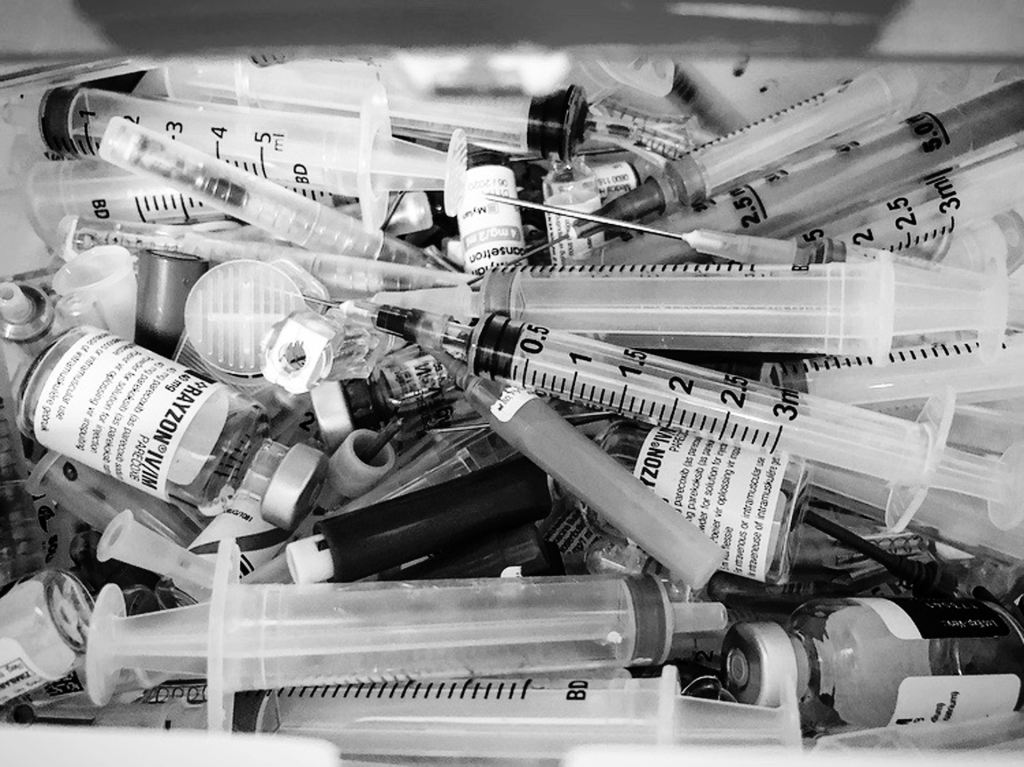
In 2021, there were nearly 9,000 overdose deaths involving heroin. This includes heroin that was laced with synthetic opioids such as fentanyl. Understanding the signs and symptoms, the factors that contribute to overdose, and what to do for a person overdosing on heroin is crucial for saving lives.
What Happens During a Heroin Overdose?
When opioid drugs such as heroin are ingested in large amounts, the body may become overwhelmed by the sedative effects of the drug, resulting in opioid toxicity. In high amounts, heroin will slow the respiratory system down to the point where breathing will stop, resulting in overdose death. The risk of overdose increases when someone uses heroin with other depressants such as alcohol and benzodiazepine drugs.
Signs and Symptoms of a Heroin Overdose
Identifying the symptoms of a heroin overdose can help bystanders respond if they are in the vicinity of somebody who has taken a fatal dose of the drug.
- Physical: Some of the most common physical symptoms of heroin overdose are shallow breathing, contracted pupils, blue or purple lips and nails, and an unresponsive or limp body.
- Behavioral: A person overdosing on heroin may lose consciousness and become unresponsive to stimuli. Slurred speech or inability to communicate can indicate an overdose as well.
- Mental: Mental confusion or disorientation is common, making it difficult for the person to understand their surroundings. Extreme drowsiness can render the overdosing person unable to stay awake.
Factors That Increase the Likelihood of a Heroin Overdose
Several factors may contribute to an increased risk of heroin overdose. Contributing factors include:
- using heroin intravenously
- ingesting heroin that has been cut with fentanyl or other depressant drugs
- drinking alcohol while using heroin
Taking stimulant drugs such as cocaine or methamphetamine alongside heroin can also lead to an increased risk of overdose, as stimulants will counteract depressants and may result in overuse of both substances.
What To Do During a Heroin Overdose
Heroin overdose is serious and deadly, but when acted upon quickly can be survivable. The first step to helping someone overdosing is to call 911 immediately. Emergency medical treatment is essential in preventing death. While waiting for the paramedics, monitor the person’s breathing and provide reassurance until the ambulance arrives. If the person vomits, turn them on their side to prevent aspiration.
If available, administer naloxone (Narcan), which is an opioid antagonist that will reverse the effects of opioids on the brain and stop the overdose instantly. Narcan is now available to purchase over the counter in drug stores, gas stations, and grocery stores.
How Heroin Addiction Is Treated
Heroin addiction can be treated at a drug rehab center using a variety of science-backed methods. Effective treatment options may include:
- behavioral therapies such as cognitive behavioral therapy (CBT)
- medical detox
- medication-assisted treatment (MAT)
- support groups
- 12-step programs such as Narcotics Anonymous (NA)
Educating people on the symptoms of heroin overdose combined with accessible substance abuse treatment can lead to countless saved lives.
 Katherine Clarke serves as the Community Outreach Coordinator for DetoxRehabs.net, a leading online resource dedicated to supporting individuals struggling with substance misuse and their loved ones. With a compassionate approach and a deep understanding of the complexities of substance abuse, Katherine is committed to enhancing public awareness about substance treatment options. Her role at DetoxRehabs.net involves developing meaningful community connections, organizing outreach programs, and disseminating educational content that is both current and accurate. Her efforts are pivotal in guiding individuals toward a path of recovery and supporting families impacted by substance misuse. Katherine’s work reflects her dedication to making a positive difference.